What Is Acne? Understanding the Full Condition
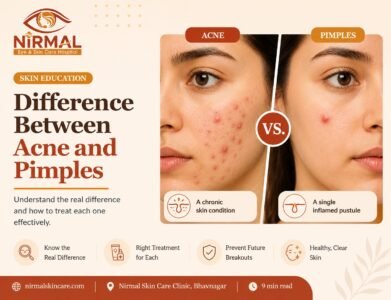
Acne is a chronic skin condition that affects the pilosebaceous units, which are the hair follicles and their attached sebaceous (oil) glands. When excess sebum, dead skin cells, and bacteria clog these follicles, the result is acne.
Acne is not just one type of spot. It is a broad medical diagnosis that includes multiple types of skin lesions, ranging from barely visible blackheads to deep, painful nodules. A person dealing with acne may experience several of these lesion types at once, on the face, chest, back, or shoulders.
Acne is not just one type of spot. It is a broad medical diagnosis that includes multiple types of skin lesions, ranging from barely visible blackheads to deep, painful nodules. A person dealing with acne may experience several of these lesion types at once, on the face, chest, back, or shoulders.
Types of Acne Lesions
Comedones
Non-inflammatory clogged pores. Open comedones are blackheads; closed ones are whiteheads.
Papules
Small, raised, red bumps without visible pus. Tender to touch, part of inflammatory acne.
Pustules
The classic pimple : red base with a white or yellow pus-filled tip visible on the surface.
Nodules and Cysts
Large, deep, painful lumps under the skin. These require professional treatment to avoid scarring.
Acne is graded on a scale from mild to severe based on the number, type, and depth of lesions present. Mild acne may respond to over-the-counter products, while moderate to severe acne requires prescription-strength treatment from a dermatologist.
Acne is graded on a scale from mild to severe based on the number, type, and depth of lesions present. Mild acne may respond to over-the-counter products, while moderate to severe acne requires prescription-strength treatment from a dermatologist.
What Is a Pimple?
A pimple is a single type of acne lesion. Specifically, it refers to a pustule: a clogged follicle that has become inflamed and filled with a mix of dead white blood cells, bacteria, and sebum, which we commonly call pus.
So while every pimple is a part of acne, not every acne lesion is a pimple. Blackheads, whiteheads, nodules, and cysts are all forms of acne, but they are not pimples in the clinical sense.
So while every pimple is a part of acne, not every acne lesion is a pimple. Blackheads, whiteheads, nodules, and cysts are all forms of acne, but they are not pimples in the clinical sense.
How a Pimple Forms: Step by Step
- Sebaceous glands produce excess oil (sebum), often triggered by hormones or stress
- Dead skin cells mix with the excess sebum and block the hair follicle
- Cutibacterium acnes (C. acnes) bacteria, normally present on skin, multiply inside the blocked follicle
- The immune system responds with inflammation, creating redness and swelling
- White blood cells rush to the site, producing pus visible as a white or yellow tip
Acne vs Pimples: Key Differences at a Glance
The difference between acne and pimples can be broken down across several dimensions. This comparison table makes it easy to understand the distinction :
| Factor | Acne | Pimple |
|---|---|---|
| Definition | A chronic skin condition affecting oil glands and follicles | A single inflamed, pus-filled lesion (pustule) |
| Scope | Broad condition with multiple lesion types | One specific lesion type within the acne spectrum |
| Lesion Types | Blackheads, whiteheads, papules, pustules, nodules, cysts | Only pustules (pus-filled bumps) |
| Duration | Can persist for years; often recurrent | Typically resolves in 3 to 7 days |
| Inflammation | Can be non-inflammatory (blackheads) or inflammatory | Always inflammatory |
| Scarring Risk | High in nodular/cystic acne | Low to moderate if not picked |
| Medical Diagnosis | Yes, diagnosed by a dermatologist | No, it is a symptom/lesion, not a diagnosis |
| Treatment Needed | Often requires prescription treatment | May respond to OTC products alone |
Common Causes of Acne and Pimples
Since pimples are a type of acne, they largely share the same root causes. However, certain triggers are more likely to produce one type of lesion over another.
Hormonal Changes and Acne
Androgens (male hormones present in both males and females) stimulate the sebaceous glands to produce more oil. This is why acne peaks during puberty, menstruation, pregnancy, and conditions like Polycystic Ovarian Syndrome (PCOS). Hormonal acne tends to appear along the jawline and chin.
Diet and Lifestyle Triggers
- High-glycaemic foods like white bread, sugar, and processed snacks spike insulin and worsen acne
- Dairy, particularly skim milk, has been associated with increased acne severity in some studies
- Chronic stress elevates cortisol levels, which increases sebum production
- Poor sleep disrupts hormonal balance and slows skin cell turnover
- Using comedogenic (pore-clogging) makeup or skincare products
Genetics and Skin Type
If your parents had acne, you are significantly more likely to develop it. Genetic factors influence the size and activity of sebaceous glands, the speed of skin cell turnover, and how your immune system responds to C. acnes bacteria.
Dermatologist Tip : Oily skin types are more prone to comedonal and inflammatory acne. If you live in a humid climate like coastal Gujarat, sweat and environmental pollutants can worsen follicular blockage. Cleanse your face twice a day, but avoid over-washing, which strips moisture and triggers even more oil production.
How to Treat Acne and Pimples : What Actually Works
Treatment depends entirely on the type, severity, and underlying cause of your acne or pimple. There is no one-size-fits-all solution, which is why a proper dermatologist diagnosis matters.
Over-the-Counter Treatments for Mild Pimples
- Salicylic acid (0.5 to 2%): Unclogs pores by dissolving the protein bonds that hold dead skin cells together
- Benzoyl peroxide (2.5 to 5%): Kills C. acnes bacteria and reduces inflammation effectively
- Niacinamide (5 to 10%): Reduces redness, regulates sebum, and is gentle enough for sensitive skin
- Tea tree oil (5%): A natural antimicrobial that works similarly to benzoyl peroxide but milder
- Adapalene gel (0.1%): Now available OTC; a retinoid that prevents new comedones from forming
Prescription Treatments for Moderate to Severe Acne
- Topical retinoids (tretinoin, tazarotene): Speed up cell turnover and prevent clogged pores
- Topical antibiotics (clindamycin, erythromycin): Reduce bacterial load and inflammation
- Oral antibiotics (doxycycline, minocycline): For widespread inflammatory acne
- Combined oral contraceptives: Effective for hormonal acne in females
- Isotretinoin (oral vitamin A derivative): The gold standard for severe or treatment-resistant acne
- Chemical peels, microneedling, and laser therapy for post-acne scarring
What Not to Do : Common Mistakes That Worsen Acne
- Popping or squeezing pimples: spreads bacteria, deepens inflammation, and causes scarring
- Using harsh scrubs: micro-tears worsen irritation and spread infection across the face
- Skipping moisturiser: dehydrated skin overproduces oil as a compensatory response
- Changing products too frequently: most treatments need 8 to 12 weeks to show results
- Using non-comedogenic makeup without removing it properly before sleep
Important : Never use toothpaste, apple cider vinegar, lemon juice, or baking soda on acne. These home remedies are not backed by evidence and can cause chemical burns, hyperpigmentation, and long-term skin barrier damage.
Acne Scars After Pimples : What Can Be Done?
When pimples are repeatedly inflamed or picked, they leave behind two types of marks: post-inflammatory hyperpigmentation (PIH), which is the dark spots, and true acne scars, which are textural changes in the skin. These respond differently to treatment. PIH fades with time and the help of niacinamide or vitamin C serums. True acne scars, especially ice-pick and boxcar scars, may need professional intervention. Learn more about our acne scar treatments at Nirmal Skin Care Clinic to understand your options.
When to See a Dermatologist for Acne or Pimples
Many people delay seeing a doctor until acne becomes severe. But early intervention produces far better outcomes, including fewer scars and faster resolution. See a dermatologist if :
- You have nodules or cysts, which are deep, painful lumps under the skin
- Your acne is leaving behind dark spots or pitted scars
- Over-the-counter products have not improved your skin after 3 months of consistent use
- Your acne suddenly appears or worsens in adulthood
- Breakouts are affecting your self-confidence or mental health
- You suspect hormonal causes such as irregular periods, excess facial hair, or weight gain
Summary
Think of acne as the overall medical condition, while a pimple is just one type of bump that shows up because of it. While a single pimple often clears up with simple store-bought creams like salicylic acid, true acne involves deeper issues like blackheads, painful cysts, and hormonal shifts that require a professional touch. The biggest mistake you can make is popping them or using harsh scrubs, which usually leads to permanent scarring. If your skin hasn’t improved after three months of consistent care, it is best to see a dermatologist early to get a personalized plan and prevent lasting damage.